
If you’re upgrading your garage floor, it usually comes down to two options:
Epoxy coating or
Interlocking floor tiles
At first glance, epoxy looks like the obvious choice.
Smooth. Glossy. Clean.
But that’s only part of the story.
The Problem with Epoxy
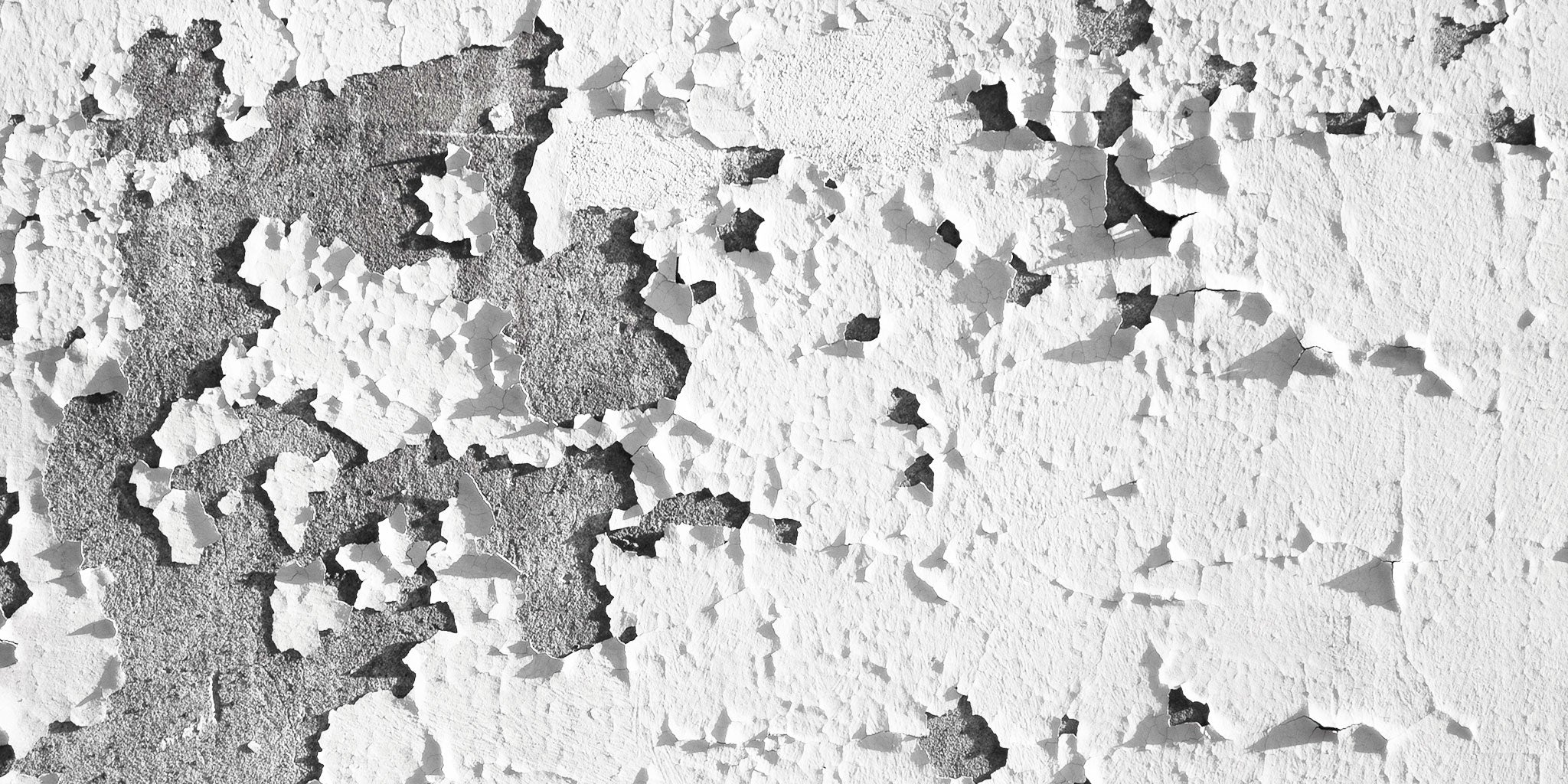
Epoxy bonds directly to your concrete. And concrete isn’t stable.
It:
- Expands and contracts
- Absorbs moisture
- Develops cracks over time
When that happens, the epoxy goes with it.
Common issues:
- Peeling and flaking
- Cracks showing through
- Discolouration
- Difficult, expensive repairs
Once it fails—you start again.

A Smarter Approach
Tiles don’t fight the concrete. They work with it.
Instead of bonding to the surface, they sit above it as a floating system.
That means:
- No peeling
- No surface cracking
- Easy replacement
- Better performance in changing temperatures
It’s a different way of thinking about flooring.
Built for Pressure
A garage floor needs to handle more than just foot traffic. Cars. Tools. Daily use.
Versoflor is designed for it:
- Up to 2 tonnes load capacity
- Impact resistance
- Slip resistance
- Drainage and airflow
No guesswork. Just performance.
Where Tiles Win
Epoxy gives you one finish. Tiles give you control.
You can:
- Create patterns
- Define zones
- Match your setup
- Add lighting for a premium feel
This is where garages stop being storage—and start becoming something else.
So What’s the Better Choice?
If you want a quick visual upgrade, epoxy can work.
But if you want:
- Long-term durability
- Flexibility
- A space you actually enjoy using
Tiles are the better investment.
At this level, it’s not just about cost. It’s about outcome.
Upgrade the floor, and the rest of the space follows.
Ready to make the switch? Browse the Upflor tile range or explore the full garage floor range - from individual tiles to complete kits - and start designing your upgrade.
Share:
Best Garage Flooring UK: Why Modular Tiles Are Taking Over
How Much Does It Cost to Tile a Garage Floor in the UK? (2026 Guide)